If you’re looking for a charming destination to visit starting from Positano, Vietri sul Mare is an ideal stop easily reached by scooter. As the gateway to the Amalfi Coast, this town is famous for its colorful ceramics, artisan workshops, and sea-view terraces. Traveling by scooter lets you enjoy every scenic curve along the coast, avoid traffic stress, and stop whenever you like to take photos or enjoy a break, making the trip simple, practical, and perfectly aligned with the spirit of freedom that defines Positano Scooter.
History and diffusion of the most famous ceramics in Italy
Vietri sul Mare, the last town on the Amalfi Coast, is renowned for its ceramics, whose lucky destiny seems to have begun in the fifth century BC, under the Etruscan domination. However, the real success of this art was marked during the Middle Ages and the Renaissance, when ceramics became commercial products of the Maritime Republic of Amalfi and began to circulate in the Mediterranean thanks to its strategic position on the Tyrrhenian Sea, which promoted trade.
The Art of Ceramics will continue over the centuries, gaining greater value, and all production techniques will be further refined. In fact, in the eighteenth century, the art of the “majolica riggiola” spread throughout the Gulf of Naples, which in Neapolitan means “decorated tile”.
An essential turning point occurred during the period between the two world wars: in the 20s and 30s of the twentieth century, many German Jews took refuge on the Amalfi Coast to escape racial persecution. They decided to stay there even after the war ended for its mild climate. They offered their artistic skills to the inhabitants in exchange for a place to stay. They were very skilled in chemistry and entered into the art of making ceramics with the creation of colours classified as “unrepeatable”, such as the characteristic “yellow of Vietri”.
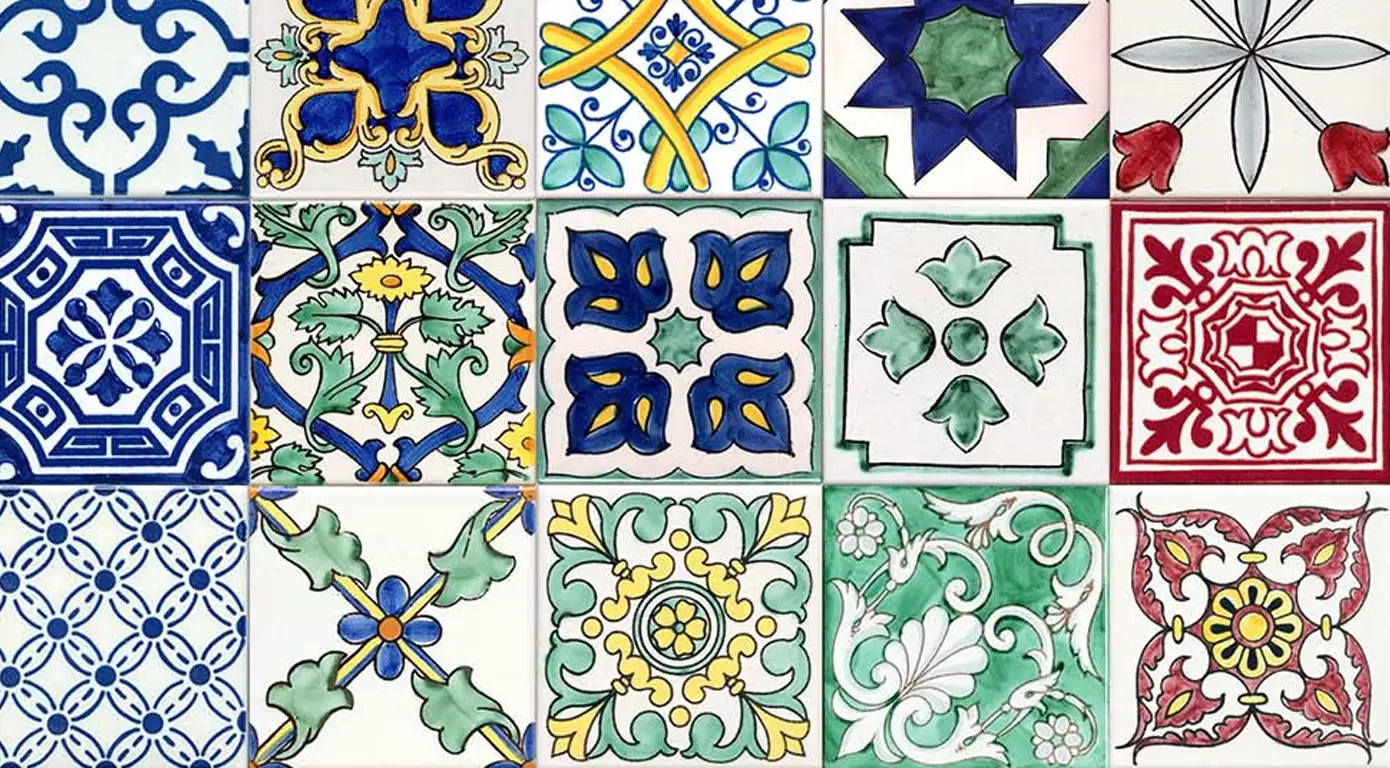
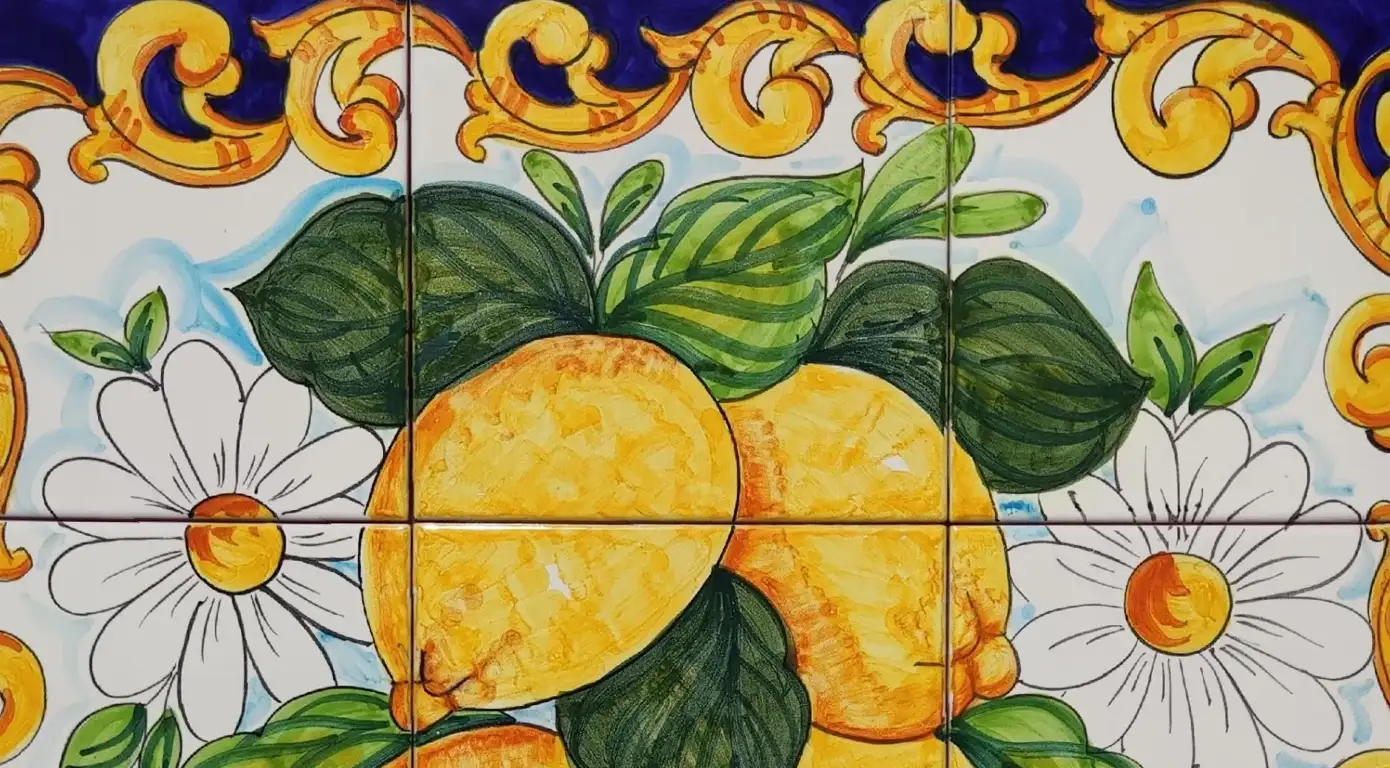
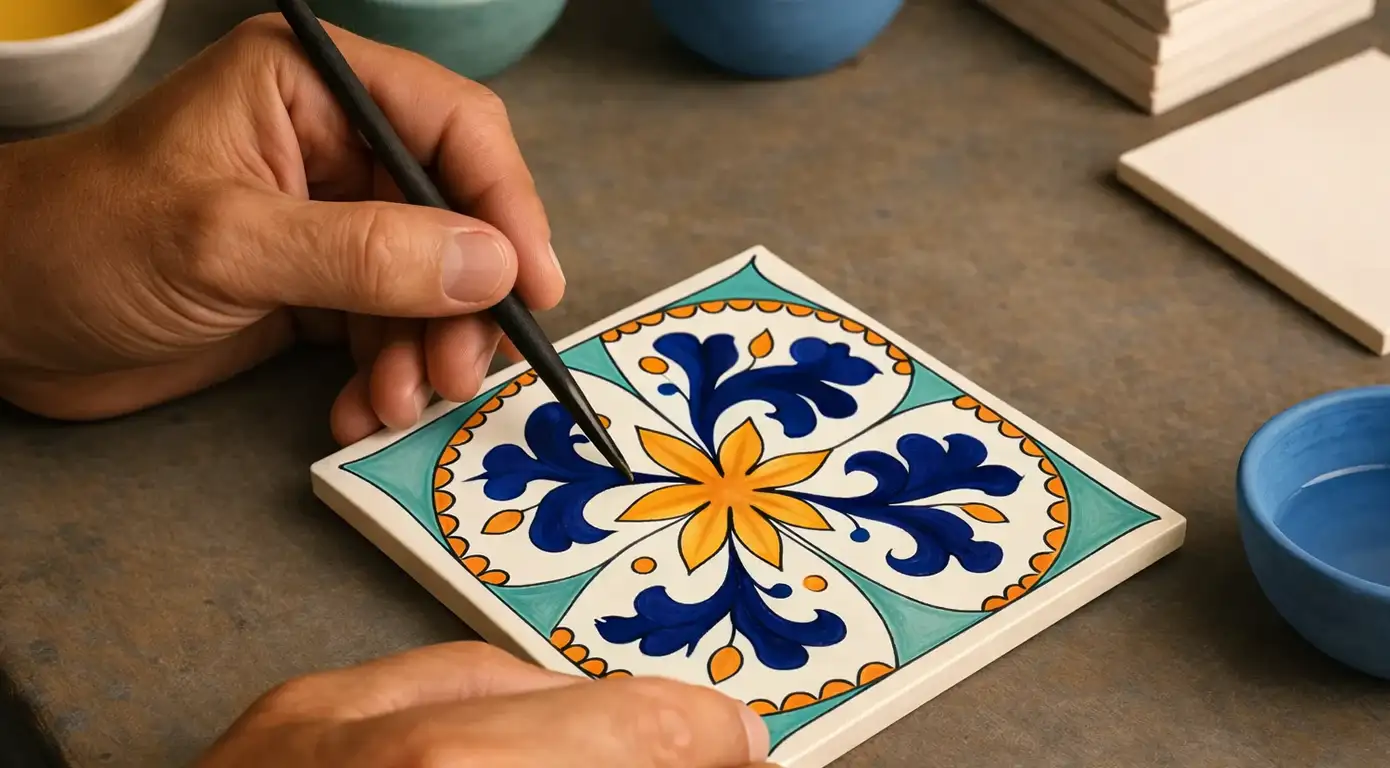
Clay is the key material for making ceramics, and the Amalfi Coast’s soil is rich in it.
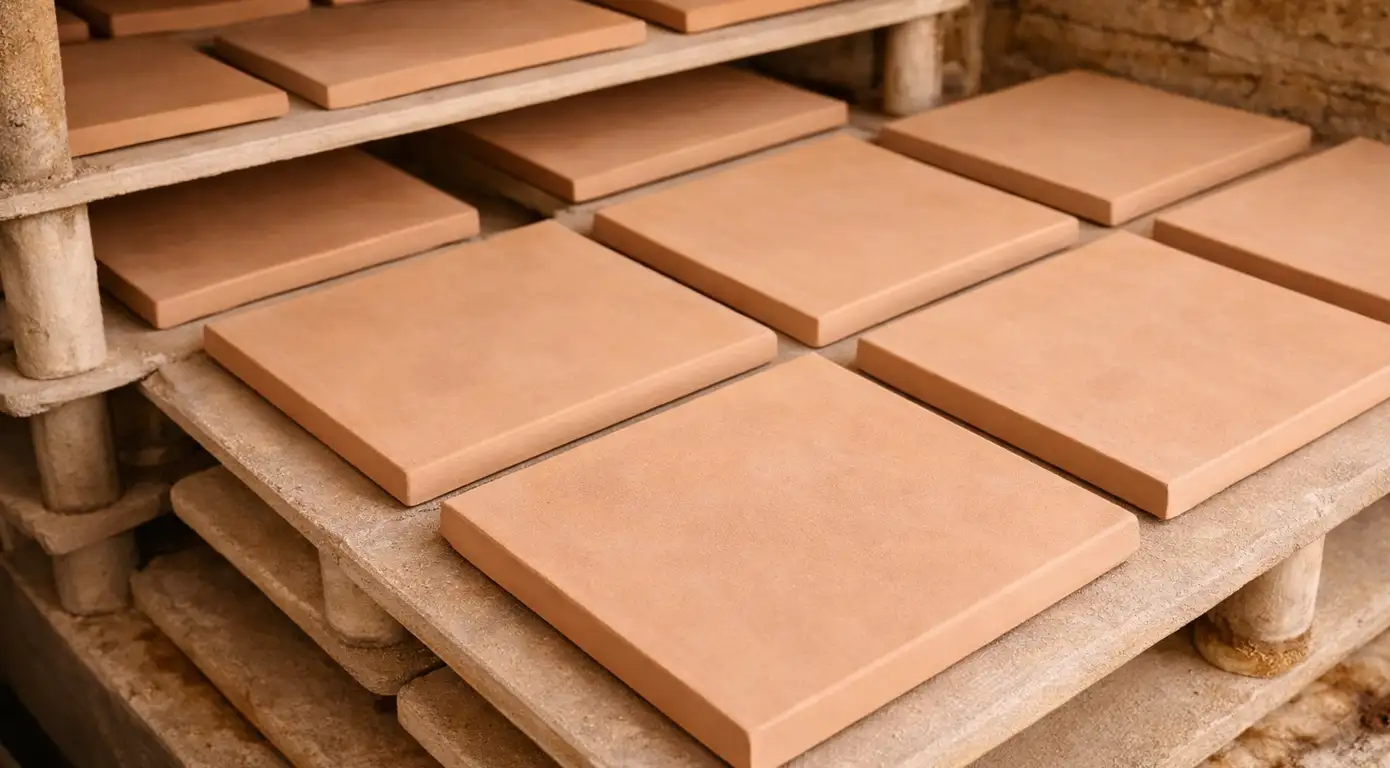
The processing of the ceramics
Long and complex process, but amazing results
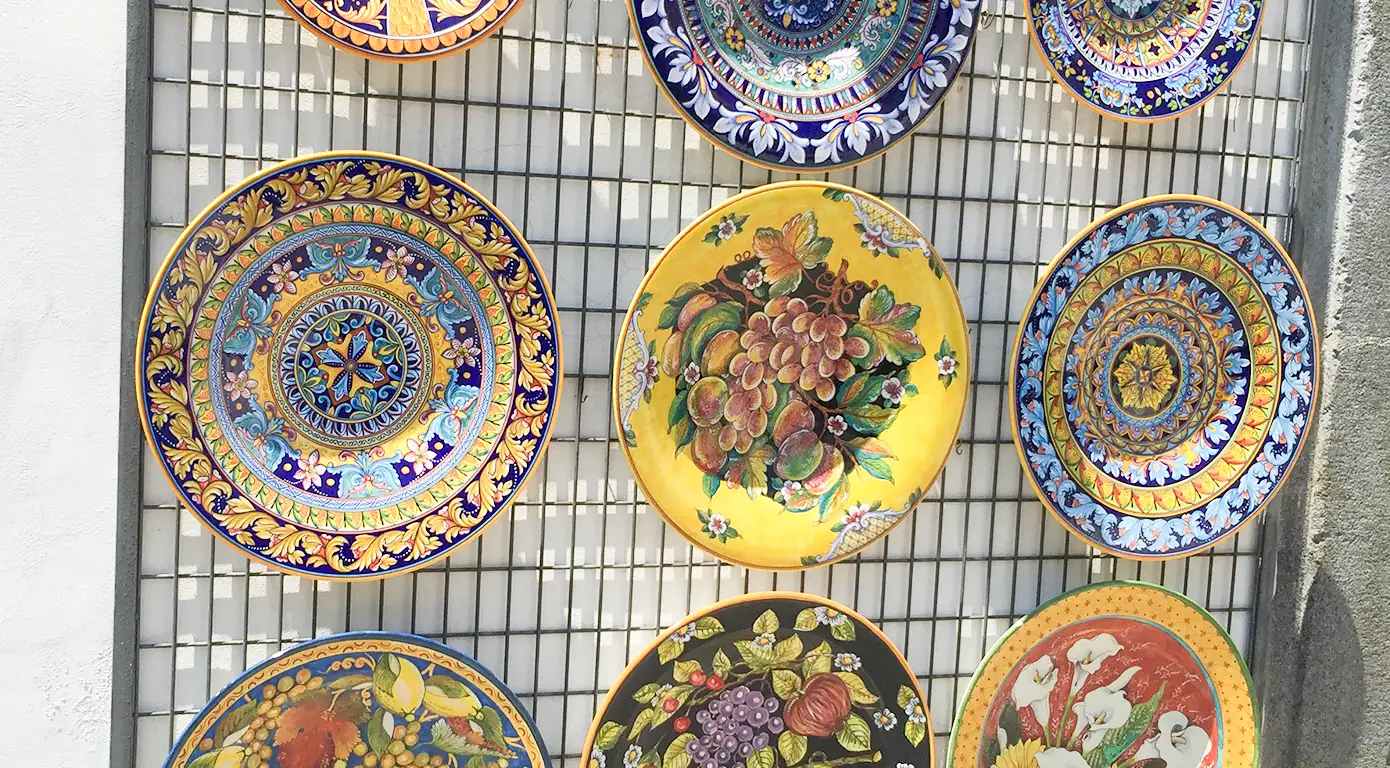
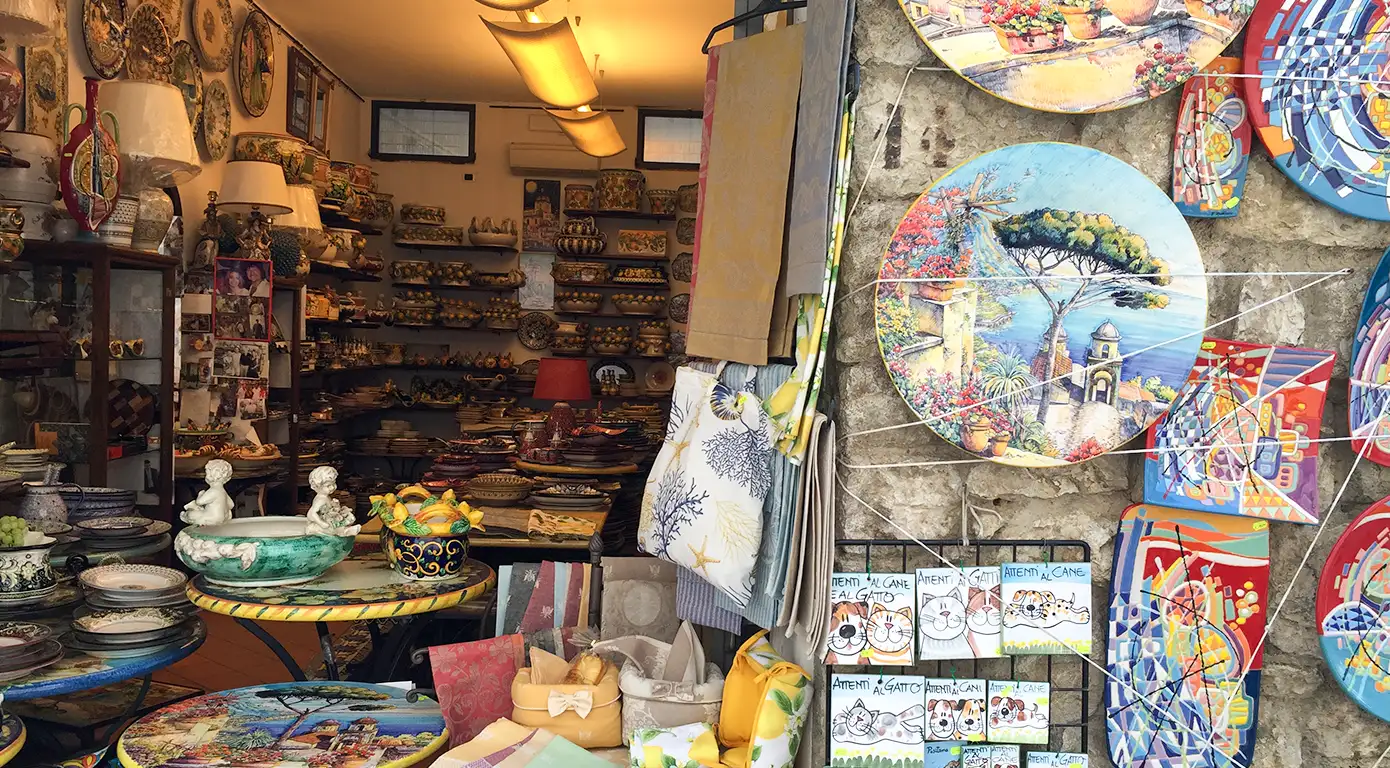
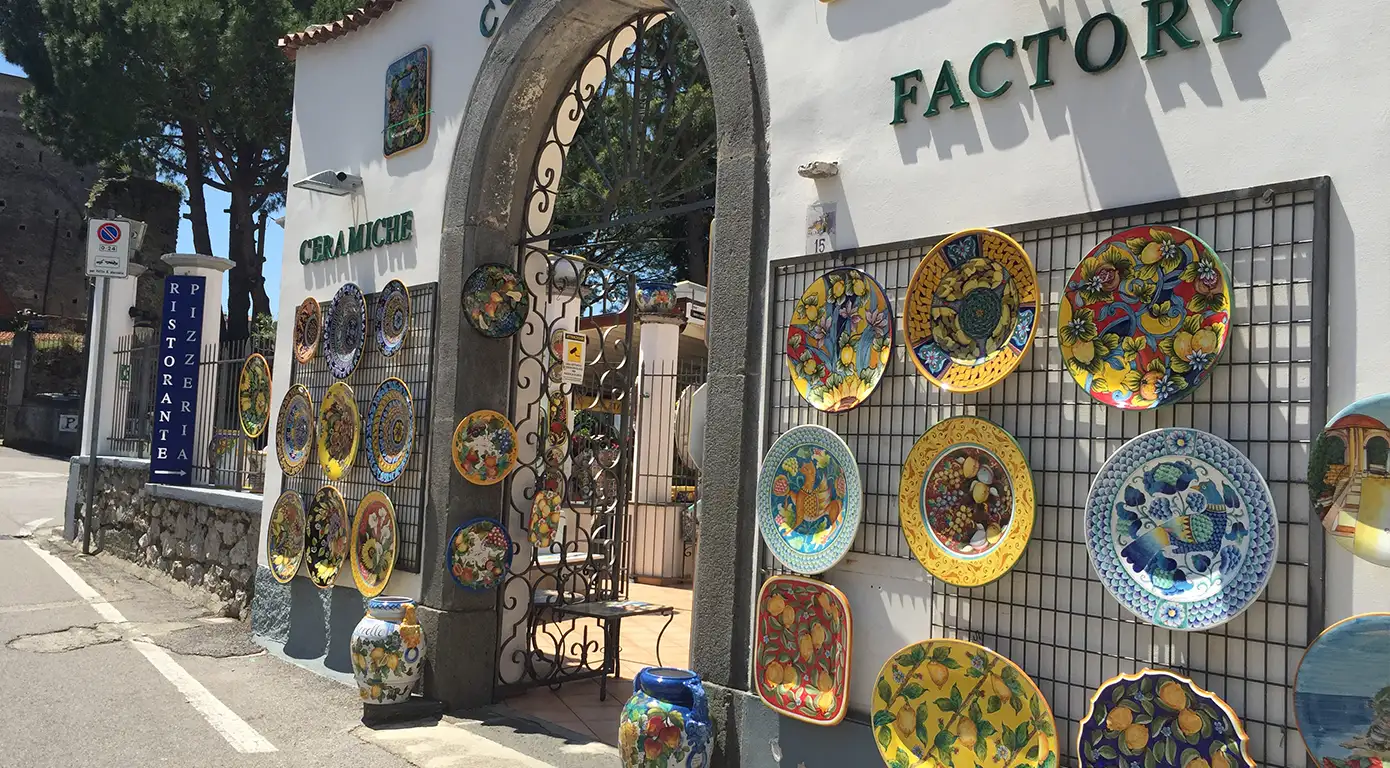
Other little curiosities on Vietri Ceramics
mics, pottery, and examples of ceramic production from the “German period”.We would also like to mention the idea promoted by some restaurateurs in the area. The famous “Piatto del Buon Ricordo” – literally “The Plate of the good memory”: while dining at the restaurant, some dishes are served on hand-decorated plates that can then be taken home as a souvenir. It is an intelligent system that allows you to incentivize artisanal production while also enabling the export of ceramics.
In 1997, Vietri was declared a World Heritage Site by UNESCO for the richness of its landscapes and for its artistic and cultural heritage, together with the Amalfi Coast.
In December, at Villa Guarigilia, the annual “Festa dei Boccali” is held, an artistic and voluntary event where 100 Vietri potters exhibit their handicrafts. On this occasion, 10 works are selected for the permanent collection, and the rest are donated to charity.
The Villa was also the location of the famous film “Capri”, shot from 2006 to 2010, and it became known to the public as Villa Isabella.
Scooter rental to visit Vietri sul Mare
Choosing PositanoScooter means experiencing the Amalfi Coast in true Dolce Vita style, riding scooters and Vespas designed for freedom and style. Whether you want to reach Vietri sul Mare, explore other villages along the Amalfi Coast, or continue towards Sorrento, our staff is always available to provide travel information, personalized suggestions, and practical advice on itineraries, scenic stops, travel times, and parking. Not just a rental service, but real support to help you enjoy every kilometer at its best, turning your scooter tour into an authentic and stress-free experience.
Copy this Promocode and
get ready to enjoy your trip!
Copy this Promocode and
get ready to enjoy your trip!